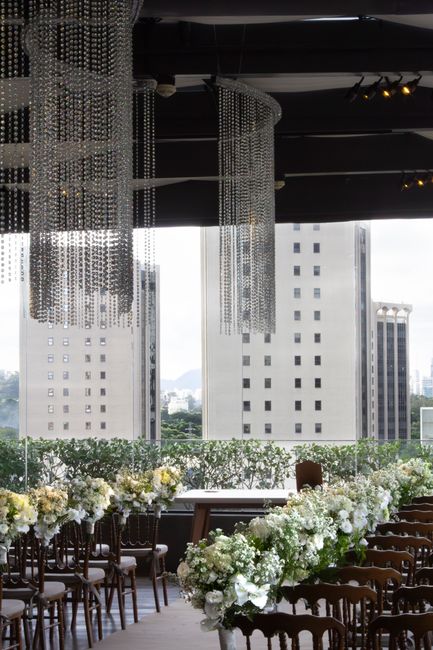
Elephant and Castle flowers for venue events and weddings
Posted on 12/10/2026
Planning flowers for a wedding or venue event in Elephant and Castle can feel simple at first, then suddenly very not simple. You want the room to look polished, the bouquet to feel personal, the tables to tie in with the space, and nothing to wilt halfway through speeches. That is where thoughtful Elephant and Castle flowers for venue events and weddings make a real difference. The right flowers do more than decorate a room; they shape the atmosphere, support the venue style, and help the whole day feel intentional from the first guest arrival to the last glass of champagne.
This guide breaks down how floral planning works, what to consider, where people go wrong, and how to make choices that suit both the occasion and the venue. If you are comparing wedding bouquets, ceremony arrangements, table flowers, or full venue styling, you will find clear advice here without the fluff. And yes, we will keep it practical.
Why Elephant and Castle flowers for venue events and weddings Matters
Flowers are one of those details people notice immediately, even if they do not consciously realise it. A doorway arrangement, a ceremony backdrop, or a simple set of centrepieces can change how a venue feels in a matter of seconds. In a busy South London setting like Elephant and Castle, where venues range from modern event spaces to intimate restaurants and function rooms, florals help create warmth, elegance, and a sense of occasion.
For weddings, flowers do a lot of heavy lifting. They connect the bridal bouquet to the table styling, soften hard architectural lines, and make photographs look cohesive. For venue events, they help define the mood: formal, relaxed, celebratory, corporate, romantic, or seasonal. That is especially useful when the room itself is fairly neutral. A plain venue can be lovely, but it needs a bit of life. A little colour. A bit of shape. Something that says, yes, this is the event.
There is also a practical side. Flowers can guide movement through a space, highlight the top table, frame a registry table, or make a welcome area feel more polished. In our experience, guests often remember the feeling of a room more than the exact menu. Flowers are a big part of that memory.
Expert summary: The best event flowers are not just pretty. They work with the venue, the lighting, the timetable, the seating plan, and the tone of the day. If those things are aligned, the result feels effortless.
How Elephant and Castle flowers for venue events and weddings Works
At a practical level, floral planning starts with the venue and the purpose of the event. A wedding breakfast needs different arrangements from a networking reception. A church-style ceremony needs different structure from a relaxed civil ceremony in a modern hall. The flowers should answer the room, not fight it. That sounds obvious, but it is where many people go wrong.
The process usually begins with a conversation about style, palette, budget, and logistics. From there, floral choices are shaped around:
- The venue layout - entrance, aisle, stage, tables, bar area, gift table, or photo spots.
- The event timeline - setup time, ceremony time, room turnaround, and collection.
- The season - which flowers are more available, sturdy, and visually right for the time of year.
- The aesthetic - classic, modern, garden-style, minimal, luxe, or bold.
- The practical environment - heat, draughts, lighting, transport, and whether the venue allows tall arrangements or open flame nearby.
Then comes the design stage. For weddings, that might include bridal bouquets, bridesmaid bouquets, buttonholes, corsages, table arrangements, and larger focal pieces. For events, the focus might be on reception flowers, stage arrangements, podium flowers, or branded colour palettes. The details vary, but the aim is the same: make the space feel intentional and welcoming.
It helps to think of flowers in layers. The first layer is the guest-facing wow factor. The second is the supporting structure, such as table flowers or aisle markers. The third is the close-up detail - the bouquet in hand, the buttonhole on a jacket, the small arrangement on a signing table. When all three layers work together, the whole event feels more considered. Not overdone. Just right.
Key Benefits and Practical Advantages
There are plenty of reasons people invest in flowers for venue events and weddings, and they are not all visual. Yes, flowers are beautiful. But the real value goes a little deeper.
- They make the venue feel finished. Even a lovely room can feel bare without floral styling.
- They improve photographs. Flowers add texture, colour, and depth that show up well in close-ups and wide shots alike.
- They help define zones. A ceremony area, top table, drinks reception corner, or entrance can be separated naturally with floral placement.
- They support the theme. Whether the look is romantic, contemporary, minimal, or lush, flowers help unify the design.
- They can be scaled. You do not need huge displays everywhere. A few carefully placed pieces can have real impact.
- They feel personal. Colour choices, flower types, and arrangement style can reflect the couple or the event host in a subtle way.
There is also a less glamorous but important benefit: flowers can be flexible. If a venue changes room layout late in the day, arrangements can often be repurposed. Ceremony florals can become reception florals. A statement arrangement can move from the entrance to the gift table. That kind of adaptability matters when the day gets busy and everyone is running around with a clipboard and a slightly stressed expression.
One more thing: flowers also help calm the room. Strange as that sounds, soft shapes and natural colour tones can make an event feel less stark and less rushed. It is a subtle effect, but you notice it when you walk into a space and just breathe out a bit.
Who This Is For and When It Makes Sense
Elephant and Castle flowers for venue events and weddings suit a wide range of people, not just couples planning a classic wedding. They are useful if you are organising:
- a wedding ceremony and reception in the same venue
- a small registry-style celebration
- a larger wedding breakfast or evening reception
- a corporate launch, brand event, or private dinner
- a venue anniversary, engagement party, or milestone celebration
- a multi-space event where one floral style needs to flow through several areas
If you are unsure whether flowers are worth prioritising, ask yourself a simple question: will people be gathering, taking photos, sitting for a while, or moving through the space? If the answer is yes, flowers will probably add value. They are especially useful when the venue is functional rather than decorative. A blank canvas is not a problem. It is a chance to shape the room properly.
They also make sense when time is tight. A good florist can streamline decisions, recommend workable combinations, and avoid overcomplicating things. That is a quiet gift, frankly. Wedding planning can be a lot. Flowers should not become another drama.
For smaller budgets, a simpler approach can still look elegant. A few well-placed arrangements, a bouquet, and one strong focal area may be enough. For larger budgets, full venue styling can create a much richer visual story. Either way, the key is matching ambition to the room, not copying a Pinterest board wholesale and hoping for magic. Tempting, though.
Step-by-Step Guidance
If you want the process to run smoothly, work through it in stages. Here is a practical way to approach it.
- Start with the venue. Look at the room, ceiling height, table shape, light levels, and entrance flow. A venue with low ceilings needs a different approach from a grand, open space.
- Choose the main purpose of the flowers. Are they mostly for the ceremony, the tables, the photos, or the welcome area? This helps focus the budget.
- Define the palette early. If your venue has bold decor, choose flowers that complement it. If the room is neutral, you have more freedom. White, blush, greenery, red, purple, yellow, or mixed tones can all work depending on the setting.
- Match the style to the event. For weddings, consider bridal bouquets, bridesmaid bouquets, buttonholes, and table pieces. For events, think about entrance florals, bar arrangements, or presentation flowers.
- Confirm practical constraints. Ask about delivery access, set-up timings, storage, and whether arrangements need to be moved during the day.
- Plan the priority pieces first. Booking a standout bridal bouquet or a statement welcome arrangement can anchor the rest of the design.
- Review the final plan against the timetable. If flowers need to be moved between ceremony and reception, make sure someone is responsible. Otherwise, they may just sit there, looking lovely and waiting for instructions.
A useful tip is to think in terms of guest journey. What do people see first, second, and third? First impression matters. So does the table experience. So does the exit. Flowers should support that whole journey, not just sit in one pretty corner.
For wedding planning specifically, a helpful starting point is the weddings collection, which can give you a broader sense of how bridal and venue florals work together. If you are building the day around a specific bouquet or table style, the wedding flowers in Walworth SE17 page is also a useful reference point for exploring the wider wedding offering.
Expert Tips for Better Results
Good floral work is part design, part logistics, part common sense. Here are the things that tend to make the biggest difference.
- Use flowers that fit the room size. Oversized arrangements can overpower small venues. Tiny arrangements can disappear in a larger hall.
- Let the venue do some of the work. If the room already has a lot going on, keep flowers refined. If it is plain, you can be bolder.
- Think about height. Tall arrangements can be dramatic, but they should not block sightlines across a table.
- Ask for durable blooms where needed. If flowers will be out for a long day, sturdier varieties often work better than delicate, short-lived ones.
- Use repetition wisely. Repeating the same flowers in the bouquet, table pieces, and buttonholes creates calm and cohesion.
- Keep the key areas strongest. Focus on the places people actually notice: entrance, ceremony, dining tables, and photos.
One underrated move is to pick a mix of statement and supporting flowers. For example, a fuller bouquet can be paired with simpler table arrangements so the room feels balanced, not crowded. The same logic works with colour. A dominant tone and one or two supporting shades usually look more polished than trying to include everything because, well, everything looked nice in the sample image.
If you want a soft, romantic look, whites, blush tones, and greenery often work beautifully. If the event needs more energy, mixed-colour designs or richer tones can bring the room to life. There is no single correct answer here. The best choice is the one that suits the venue and the people in it.
And do not forget scent. Strong fragrance can be gorgeous in the right setting, but it can be a bit much in a small enclosed room. You do not want the flowers competing with dinner or making anyone sneezy during speeches. A balanced approach is usually best.
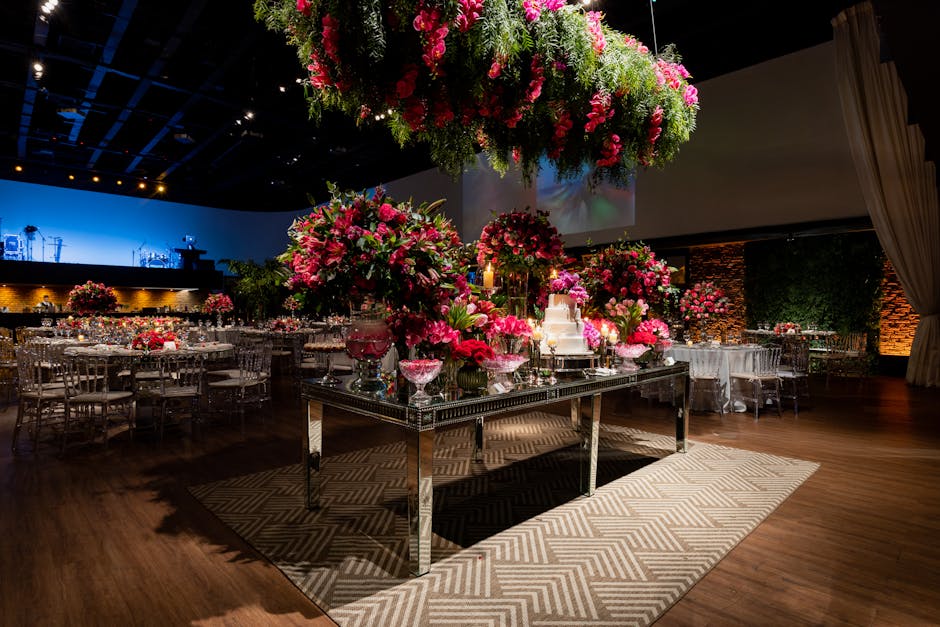
Common Mistakes to Avoid
Some floral mistakes are purely aesthetic. Others turn into practical headaches on the day. Here are the ones worth avoiding.
- Ordering without checking the venue rules. Some venues limit candles, hanging structures, or access times.
- Choosing flowers that clash with the room. Bright colours can work brilliantly, but not if they fight with carpets, drapes, or lighting.
- Ignoring transport and setup. A beautiful design that arrives late is not very helpful, however lovely it looked in the workshop.
- Splitting the budget too thinly. Too many small pieces can be less effective than a few stronger ones.
- Forgetting who will move what. If ceremony flowers need to appear at the reception, that plan should be crystal clear.
- Leaving bouquet choices too late. Bridal flowers often influence the rest of the design, so they should be considered early.
Another common issue is over-ordering seasonal or fragile flowers without thinking about timing. If the event is long, if the room is warm, or if there is a lot of handling, durability matters. A florist should help guide you on that, but it helps to ask the question yourself. Better a slightly more robust bloom than a perfect one that gives up halfway through the first course.
Also, do not assume the most expensive option is automatically the best. Sometimes the most effective floral plan is a restrained one with smart placement. Simple can be excellent. Really.
Tools, Resources and Recommendations
You do not need a box full of fancy tools to plan venue flowers well, but a few basic resources help.
- Venue floor plan. Even a rough sketch helps determine where arrangements can go.
- Guest count. This affects table layout, number of centrepieces, and the scale of the design.
- Photo inspiration. Use images to show style preference, but be ready to adapt them to the actual room.
- Colour swatches. If your event has branding or a wedding palette, having the colours in front of you saves time.
- Delivery and timing notes. These avoid confusion on the day, especially in busy venues.
For choosing styles and staying within budget, it can help to browse related collections. If you want a broader choice of arrangements for different occasions, the all flowers range and the luxury flowers selection give a useful feel for quality and presentation. For couples who want the wedding side of things tied together neatly, the bridal bouquets, bridesmaid bouquets, wedding buttonholes, wedding table arrangements, and wedding corsages categories are especially relevant.
For a venue event with a tighter spend, the cheap flowers and budget options can still look smart if you prioritise placement. That is the trick, really. Placement beats quantity more often than people expect.
You may also want to consider care and delivery expectations in advance. The flower care guidance is useful if you are receiving arrangements ahead of time, while the delivery page helps set expectations for timing and handling.
Law, Compliance, Standards, or Best Practice
For flowers at weddings and venue events, the main compliance issues are usually practical rather than legal in the dramatic sense. There is no special flower law sitting in the wings, but there are venue rules, health and safety concerns, and basic best practice standards that matter.
Here are the main points to keep in mind:
- Venue permissions. Always confirm whether the venue allows freestanding installations, hanging designs, candles near arrangements, petals on the floor, or late access for setup.
- Access and loading. In busy London areas, delivery access can be tighter than people expect. Make sure timings are realistic.
- Stability and safety. Tall arrangements should be secure, and anything near guest walkways should be safely positioned.
- Allergy awareness. If strong scent, pollen, or certain flowers could be an issue, choose with care.
- Waste and collection. Ask what happens after the event. Reusable mechanics, eco-conscious choices, and collection plans are all sensible best practice.
It is also wise to check payment terms, cancellation conditions, and any change-of-plan policy before confirming an order. That is just sensible event planning. The details matter because the day itself moves quickly and no one wants awkward surprises at the last minute.
For businesses planning recurring venue flowers, the corporate accounts page may be useful, especially if you are organising regular hospitality or event styling. If sustainability matters to your venue or client, the sustainability page is worth a look as part of your decision-making.
Options, Methods, or Comparison Table
There are a few different ways to approach Elephant and Castle flowers for venue events and weddings. The right choice depends on budget, venue style, and how much visual impact you want.
| Approach | Best for | Strengths | Considerations |
|---|---|---|---|
| Simple bouquet-led styling | Small weddings, registry ceremonies, intimate venues | Elegant, affordable, easy to manage | Less impact in larger rooms |
| Table-focused flowers | Wedding breakfasts, dinners, receptions | Good guest experience, strong photo value | Needs coordination with table layout |
| Statement feature pieces | Entrances, stages, top tables, photo backdrops | Big visual impact, memorable styling | Can use more of the budget |
| Full venue floral styling | Large weddings, branded events, high-impact celebrations | Very cohesive, polished, immersive | Requires more planning and higher spend |
For most readers, the sweet spot is somewhere between table-focused flowers and a single statement feature. That gives the room enough personality without tipping into excess. Of course, if you are hosting a big celebration, go bigger. Different jobs, different answers. Simple as that.
Case Study or Real-World Example
Picture a wedding reception in a South London venue with exposed brick, soft overhead lighting, and a fairly neutral colour scheme. Lovely space, but a bit bare before styling. The couple wanted a romantic look without making the room feel crowded. They also needed flowers that could move from ceremony to dinner with minimal fuss.
The solution was straightforward. A bridal bouquet with soft white and blush tones set the theme. Bridesmaid bouquets echoed the same palette but with a lighter touch. Buttonholes were kept neat and understated. For the venue itself, the floral spend was concentrated on a ceremony feature near the front of the room and smaller table arrangements for the dining area. After the ceremony, the feature flowers were moved to frame the top table, which extended their impact without doubling the cost.
What worked well was restraint. The flowers were not everywhere. They were in the right places. Guests noticed the entrance first, then the ceremony setting, then the tables. By the time the candles were lit and the room had settled, the whole thing felt coordinated and calm. No one said, "Ah yes, the centrepieces are excellent," because real life is not a design magazine. But people did comment that the room felt warm and beautifully put together, which is what matters.
That is usually the best sign. When the flowers support the day instead of shouting over it, the event tends to feel more memorable, not less.
Practical Checklist
Use this before confirming your order.
- Have you confirmed the event date, time, and venue address?
- Do you know which rooms or areas need flowers?
- Have you checked the venue's access rules and setup window?
- Is your colour palette clear?
- Do the flowers need to suit a wedding, corporate event, private party, or mixed use?
- Have you identified the priority pieces, such as bouquet, table flowers, or entrance arrangements?
- Are any flowers being reused later in the day?
- Have you thought about scent, allergies, and guest comfort?
- Do you have care instructions if arrangements arrive early?
- Have you checked terms for changes, cancellations, and delivery?
If you can tick most of those off, you are in a good place. If not, no panic. That is exactly why a proper floral plan is useful in the first place.
Conclusion
Elephant and Castle flowers for venue events and weddings are about more than decoration. They create atmosphere, guide the guest experience, and help a space feel complete. When chosen with the venue, timetable, and event style in mind, they become one of the smartest investments you can make for the day.
The best floral plans are clear, practical, and personal. They do not try to do everything. They just do the right things well. Whether you are planning a wedding, a private celebration, or a polished venue event, the aim is the same: make the space feel like it belongs to the moment. And when that happens, people notice. They always do.
If you are still comparing styles, prices, or bouquet ideas, take the next step and narrow the plan to the rooms that matter most. That one decision often makes everything else easier.
Get a free quote today and see how much you can save.
Sometimes the smallest floral choice is the one that makes the whole day feel right.
Frequently Asked Questions
What flowers work best for venue events and weddings in Elephant and Castle?
The best flowers depend on the venue, the season, and the style of the event. Roses, lilies, lisianthus, hydrangeas, carnations, alstroemeria, and mixed seasonal flowers are all commonly used because they can suit both elegant and practical designs. For a softer wedding look, whites and blush tones are popular. For bolder events, mixed colours can work well.
How far in advance should I book wedding flowers?
It is sensible to book as early as you can, especially for weddings during busy periods. The earlier you book, the easier it is to secure your preferred style, choose the right flowers for the season, and coordinate setup with the venue. For smaller events, a shorter lead time may be possible, but earlier is still better.
Can the same flowers be used for both the ceremony and reception?
Yes, often they can. This is one of the most efficient ways to get value from your floral budget. Ceremony arrangements can sometimes be moved to the reception, such as from the aisle to the top table or entrance. The key is planning the move in advance so someone is responsible for it.
What is the difference between a bridal bouquet and venue flowers?
A bridal bouquet is carried by the bride and is usually designed as the main personal floral piece. Venue flowers are used around the event space itself, such as tables, entrances, stages, or ceremony areas. Good wedding floral design links the two so the whole event feels unified.
Are cheap flowers still suitable for weddings and events?
Yes, if they are chosen carefully and placed well. A lower-cost floral plan can still look elegant if you focus on key areas and avoid spreading the budget too thinly. Simpler arrangements, seasonal choices, and a clear colour palette can make a modest spend look much more polished than people expect.
How do I choose flowers that suit my venue?
Start by looking at the room's size, colour, lighting, and style. A modern venue may suit clean, structured arrangements, while a more traditional room may benefit from softer, fuller designs. If the venue is plain, flowers can add more character. If the venue is already decorative, the florals should complement rather than compete.
Do I need different flowers for corporate events and weddings?
Often, yes. Corporate events usually benefit from cleaner, brand-aware designs that feel polished but not too romantic. Weddings tend to be more personal and expressive. That said, there is overlap, and some arrangements can work well for both depending on the brief.
What should I ask a florist before booking?
Ask about flower availability, delivery timing, setup support, venue compatibility, care instructions, and whether arrangements can be reused later in the day. It is also wise to ask what happens if something needs changing close to the event. Clear communication at the start saves trouble later.
Can I request specific colours for my flowers?
Yes, colour preference is usually one of the first things to discuss. Most florists can work within a palette such as white, pink, purple, red, yellow, or mixed colours. Just keep in mind that exact shades may vary slightly depending on season and flower availability.
How do I make venue flowers look luxurious without overspending?
Focus on impact rather than volume. One strong entrance piece, neat table arrangements, and a bouquet that ties everything together can create a luxe impression without covering every surface. Repetition of colour and shape often looks more expensive than a crowded mix of different flowers.
What happens if the flowers arrive before the event starts?
They should be stored according to the florist's care guidance, ideally in a cool space away from direct sun, heat, or draughts. If the venue or organiser is handling them, make sure someone knows where they are going and who is responsible. It sounds basic, but it saves a lot of faff on the day.
Are there any venue rules I should check first?
Yes. Check whether the venue allows candles, petals, hanging installations, and large freestanding displays. Also confirm delivery access and the setup window. In London venues, access can be tighter than expected, so it is worth checking early rather than assuming everything will be easy on the day.
Can I use flowers for non-wedding events in Elephant and Castle?
Absolutely. Flowers work very well for launches, dinners, anniversaries, parties, and corporate functions. They can be adjusted to suit the tone of the event, from understated and formal to colourful and celebratory. The same principles apply: match the flowers to the venue and the purpose of the event.